

Network Capacity Planning for Buildings Facing Growing Device Density
October 10, 2026
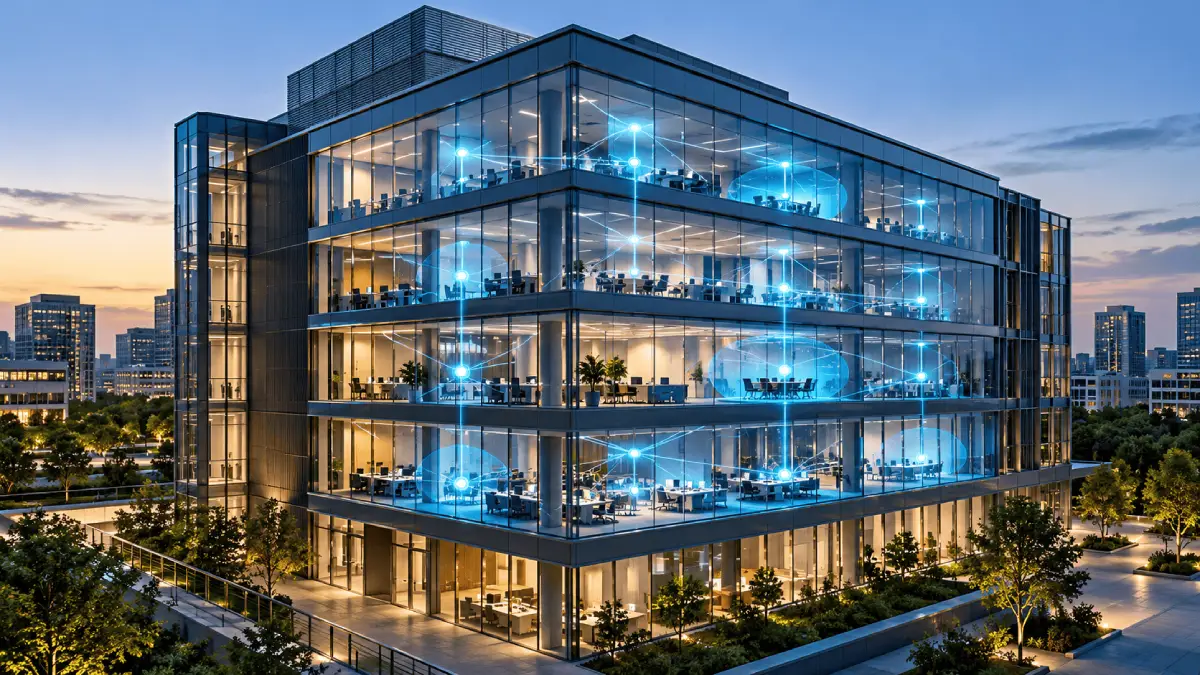
Ericsson reports that the average monthly mobile data usage in India, Bhutan & Nepal is expected to reach 70 GB by 2031, with 1.1 billion 5G subscriptions in the same year. The data highlights one thing: buildings will support more and more devices, users and data-consuming applications in the coming years.
And when a building has so many users and devices relying on it day by day, digital infrastructure and cellular planning become a crucial part of real estate.
This is where network capacity planning becomes important. It looks at factors such as user density, peak usage, building layout and coverage requirements to identify the right in-building cellular solutions for the building.
What Is Network Capacity Planning for Buildings?
Network capacity planning is a process of estimating the network resources a building will need in order to support its expected users, network traffic and peak demand during rush hours.
This requires looking beyond just the number of people or occupants in a building. Network capacity planning is an elaborate process that considers:
- Expected occupancy and peak footfall
- Number of active cellular devices
- Expected data usage
- Areas where demand will be concentrated
- Building layout and materials
- Mobile operators and frequency bands that need to be supported
- Expected future growth
A strong signal is not enough on its own in a building anymore. Network capacity planning answers whether that signal provides wide coverage and has enough capacity.
Coverage answers: Can a device connect?
Capacity answers: Can the network support all those connected devices and their data requirements at the same time?
A building can therefore have acceptable signal strength but still experience slow data speeds or inconsistent service when too many users compete for available radio resources.
How Does Device Density Affect Cellular Capacity?
Device density matters, but the growing digital needs of a building should be assessed correctly, because digital infrastructure doesn't just cater to networks of devices anymore.
A large building can have hundreds or thousands of employees carrying tablets, laptops and smartphones, but the same building also handles various sensors, access systems and security cameras.
Not Every Connected Device Uses Cellular
Building systems do not necessarily use just cellular networks. Building automation systems, for example, commonly use sensors connected through wired or IP-based networks.
Hence, for cellular capacity planning, the more useful metric is cellular device density. It estimates how many mobile devices are going to be active in a particular area, and the traffic they're going to generate.
This estimate becomes all the more important for high-footfall areas like receptions, meeting spaces, auditoriums and cafeterias where people may connect all at once.
Why Is Indoor Cellular Capacity Different From Outdoor Coverage?
A mobile signal reaching a building does not guarantee that every indoor area will receive reliable service.
Building materials such as concrete, glass and metal can significantly affect signal propagation. Even higher-frequency signals used by newer 5G networks can face greater challenges penetrating certain building materials.
Apart from the building materials, indoor spaces also create concentrated demand. A macro network may provide coverage across a wider area, but a large office, shopping centre or stadium can create a local hotspot where hundreds or thousands of users are trying to connect digitally at the same time.
This is why indoor planning needs to consider both coverage and capacity, rather than treating signal strength as the only measure of network performance.
How Should Buildings Plan for Growing Cellular Demand?
A practical network capacity planning process should start with five steps.
1. Map Existing Indoor Coverage
Begin with a survey of the building to identify weak-signal areas, dead zones and locations where existing cellular service performs poorly.
2. Identify High-Demand Areas
Rather than relying only on total building headcount, look at the patterns in which the building is occupied and used. Every space serves a different purpose at different times of the day. Reception areas, meeting floors, cafeterias, event spaces and common areas can experience very different levels of demand.
3. Estimate Peak Cellular Usage
Planning should account for the number of concurrent mobile users and their expected traffic during busy periods.
This is more useful than simply calculating devices per square foot because not every device will be actively using the cellular network at the same time.
4. Plan for Operators and 5G Requirements
A commercial building may need to support multiple mobile operators, different frequency bands and evolving 5G requirements. Hence, these requirements should also be considered before the indoor system is designed.
5. Build for Future Expansion
Capacity requirements can change after a building is occupied. Fibre pathways, equipment locations, power and other infrastructure should therefore allow the network to scale without requiring major physical changes later.
Which In-Building Cellular Solutions Can Improve Capacity?
The next step after understanding the building's requirements is selecting the right indoor digital infrastructure.
Distributed Antenna Systems
Distributed Antenna Systems (DAS) use a network of antennas distributed throughout a building to provide more consistent cellular coverage. They can be especially useful across large, complex buildings and venues where coverage and capacity need to be distributed across multiple areas.
DAS can also support multiple operators through shared infrastructure.
Indoor Small Cells
Whereas DAS is useful for distributing networks inside the building, indoor small cells provide a more localised approach. They can be deployed in specific areas where additional coverage or capacity is required, making them useful for targeting high-demand zones.
Neutral-Host Networks
For large commercial properties, a neutral-host approach can allow multiple mobile operators to use shared indoor infrastructure rather than each operator building a completely separate system.
The right architecture depends on the building's size, layout, expected traffic, operator requirements and future expansion plans.
What Should Developers Consider Before Occupancy?
In-building solutions are most effective when considered during the building design stage rather than after users start experiencing digital connectivity problems.
Developers and building owners should establish:
- Expected occupancy and peak usage patterns
- Indoor cellular coverage requirements
- Areas that are likely to experience high traffic
- Mobile operators that need to be supported
- Fibre and equipment pathways
- Power and equipment requirements
- Future capacity and 5G expansion needs
- Monitoring and maintenance requirements
Planning these elements early can make future upgrades easier and reduce the need for disruptive retrofits.
The Bottom Line
As mobile data usage and 5G adoption continue to grow, buildings need to plan for more than basic indoor signal coverage. Effective capacity planning looks at where cellular users will be, when demand will peak and how the network can scale over time. In-building cellular solutions, such as DAS and small cells, can then be strategically designed around those specific requirements.
For buildings preparing to cater to growing digital demand, the goal is not simply to provide a signal anymore. It is to build an indoor cellular network that can keep performing as usage grows.
Connect with iBUS Networks today about planning indoor cellular infrastructure for your building.
Related Posts
July 29, 2026
Smart Buildings Do Not Start with Smart Applications. They Start with the Network.
November 20, 2025
TRAI Calls Out India’s Indoor Connectivity Blind Spot, Here’s How We Are Addressing It.
May 27, 2025
You have planned the classrooms, the courtyards, the curriculum. But what about the bandwidth?