

Are India’s Skyscrapers Becoming the New Telecom Towers
December 10, 2025
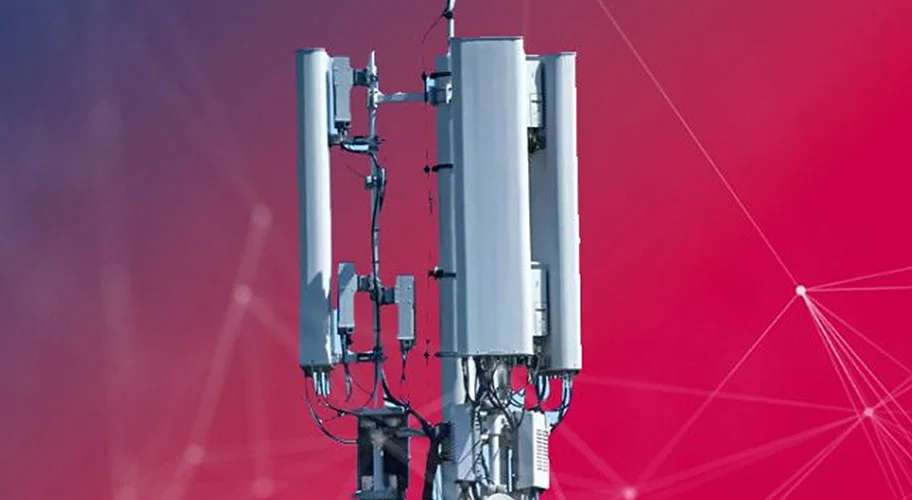
India is rapidly expanding its digital infrastructure, with more than 5 lakh 5G base transceiver stations (BTS) deployed across the country as of late 2025 and new sites going live every month. Outdoor coverage is strengthening across cities and highways, powering streaming, cloud workloads, and real-time services at scale.
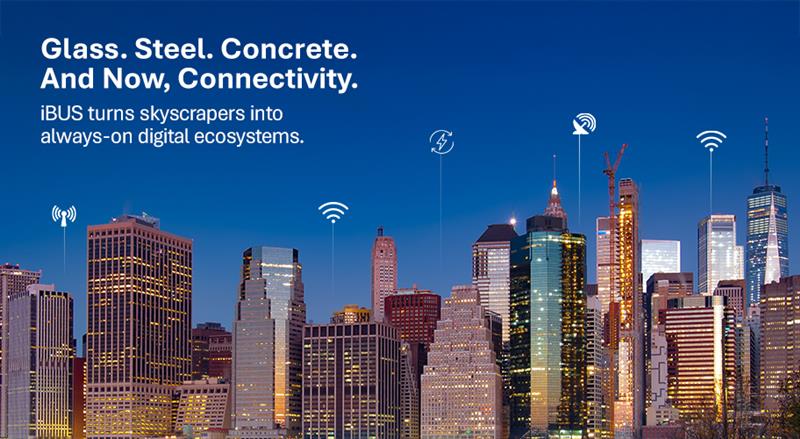
Meanwhile, a quieter transformation is unfolding inside the tallest buildings. Indian cities are growing vertically, from the coastal skyline of Mumbai to the glass towers of Bengaluru and Gurugram. Taller towers, denser clusters, and mixed-use skyscrapers are now shaping urban real estate, shifting growth from horizontal expansion to upward development.
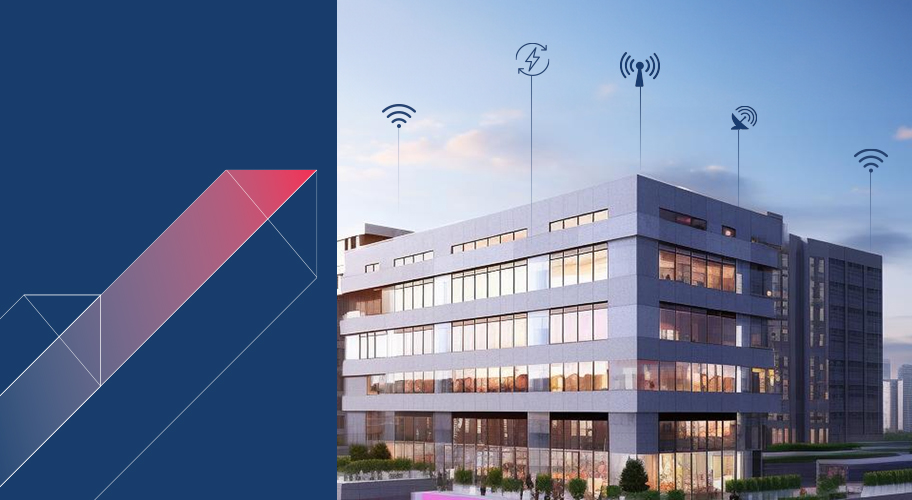
The result is a new trend in infrastructure planning. India’s tallest buildings are steadily becoming anchors for digital infrastructure rather than just premium real estate assets.
5G Growth, Indoor Gap
Even as 5G coverage expands outdoors, indoor connectivity remains a persistent challenge, especially in high-rise buildings. With more towers and larger populations concentrated vertically, the demand for reliable in-building telecom connectivity is rising faster than traditional tower models can support.
Conventional outdoor infrastructure cannot close this gap on its own:
- • Outdoor 5G sites struggle to penetrate 40 or more floors above ground.
- • Signals rarely reach three or four basements below street level.
- • Thick walls, reflective glass, and steel-heavy structures weaken indoor reception.
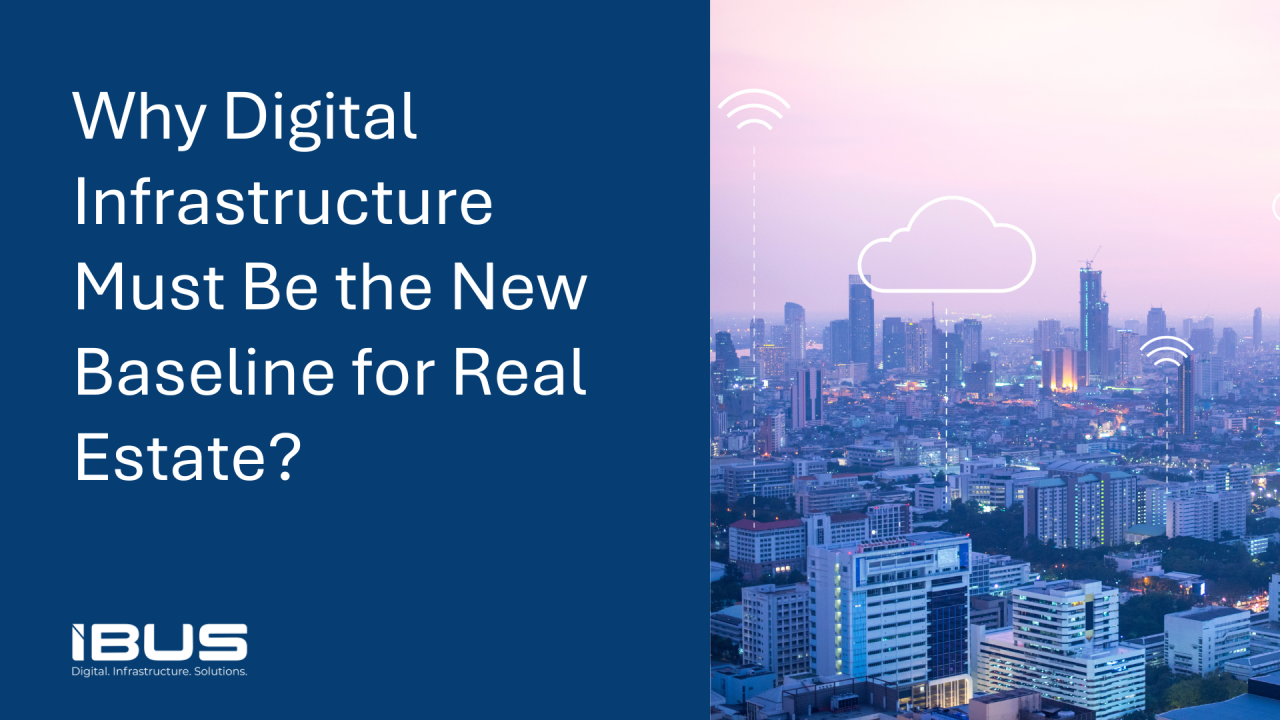
This is why tall buildings are evolving into natural extensions of telecom networks. By integrating Distributed Antenna Systems (DAS), rooftop equipment, and neutral-host antenna networks as core utilities, a high-rise effectively becomes a vertical micro telecom tower that guarantees seamless connectivity for all occupants.
DAS Is Powering the Shift
The numbers underline this change. The DAS market in India is projected to reach close to USD 1 billion by 2030, driven largely by demand from high-rises, commercial complexes, and large residential towers that need assured indoor coverage. As more activity moves indoors, buildings without in-building solutions risk falling behind in performance and tenant appeal.
A single high-rise tower can typically have:
- • 3,000 to 5,000 occupants each day.
- • Retail floors, offices, parking zones, and amenity spaces within one vertical stack.
- • Thousands of connected devices across residents, employees, and guests.
- • Critical building automation systems that depend on strong and stable connectivity.
Without DAS, delivering high-quality indoor 5G across this complexity becomes nearly impossible, and both modern living and workplace experiences suffer as a result.
High-Rises as Digital Ecosystems
Modern towers are no longer just vertical structures; they are dense digital ecosystems where every system depends on connectivity. A typical high-rise now requires cloud-managed Wi-Fi, IoT sensors, EV charging networks, building management systems, security infrastructure, and hybrid work collaboration tools to function effectively.
All these services need strong in-building coverage and high-capacity backhaul. As a result, skyscrapers are becoming operational hubs for telecom operators, internet service providers, and smart-building and IoT partners that co-create the building’s digital layer.
Neutral Host Makes Buildings Shared Platforms
Neutral Host Infrastructure is turning buildings into shared digital platforms instead of isolated assets. With a shared in-building backbone, a single infrastructure layer can serve multiple telecom providers, enabling carrier-agnostic coverage and simplifying operations for developers and asset owners.
In simple terms, the building becomes the tower—only better designed, smarter, and more scalable. The same digital spine can support mobility, enterprise networks, IoT services, and future applications without repeated overhauls or parallel deployments.
What This Means for India’s Future
Developers are starting to recognise a new reality: connectivity now sits alongside water, electricity, and parking as a core utility. As vertical urbanisation accelerates, digital readiness will increasingly shape how assets are valued, leased, and experienced.
In the coming years:
- • Every skyscraper will be expected to host dedicated in-building telecom infrastructure.
- • DAS and small cells will be treated as standard utilities, not optional add-ons.
- • Developers will compete on connectivity quality, resilience, and readiness for future technologies.
Telecom networks will no longer live only outside buildings; they will be embedded within them. Skyscrapers will not just define city skylines—they will define India’s digital backbone for citizens, enterprises, and public services alike.
Related Posts

November 20, 2025
TRAI Calls Out India’s Indoor Connectivity Blind Spot, Here’s How We Are Addressing It.

May 27, 2025
You have planned the classrooms, the courtyards, the curriculum. But what about the bandwidth?