TRAI Digital Connectivity Ratings: Is Your Building Infrastructure Ready for Assessment?
November 27, 2026
TRAI Digital Connectivity Ratings: Is Your Building Infrastructure Ready for Assessment?
You would think that a building having a high-speed broadband connection and strong mobile network coverage would be enough for its digital infrastructure. But, apart from good services, there are three things which also decide whether the digital connectivity being provided is strong enough:
- Is there appropriate infrastructure supporting the network?
- Does the network perform reliably indoors?
- Can the building support future requirements?
This is why the Telecom Regulatory Authority of India (TRAI) introduced the Digital Connectivity Rating (DCR) framework. It gives properties a standardised way to assess their digital connectivity infrastructure and performance. For developers and property managers, this means preparing the building is just as important as providing internet access. Working with an experienced digital infrastructure company can help identify gaps before the formal assessment begins.
What Is TRAI's Digital Connectivity Rating?
TRAI’s Digital Connectivity Rating judges how well a building can provide reliable digital connectivity to its consumers. The rating is obtained by following the methodology of Rating Manual 2026.
The framework covers different types of buildings, from corporate complexes, university campuses and hospitals to even public spaces. The assessment checks the existing digital infrastructure and also how well it delivers connectivity.
The DCR framework is currently voluntary, but it encourages property owners and managers to make digital connectivity an important part of building planning and operations.
Building owners can register their properties on TRAI's Digital Connectivity Rating platform, select a registered Digital Connectivity Rating Agency (DCRA) and track the assessment process. Consumers can also search for rated properties and view their published ratings.
Why Does TRAI Have a Digital Connectivity Rating?
Now that a lot of everyday work requires digital connectivity, businesses want to rent a building which has stronger digital infrastructure. But how do you judge a building’s connectivity beyond claims of reliable network coverage? That’s where TRAI’s Digital Connectivity Rating comes into the picture.
This standardised assessment gives a rating, which then allows people to compare properties on this aspect. It also helps property owners identify where their infrastructure may need improvement.
What Does TRAI Assess When Rating a Building?
The 2026 Rating Manual evaluates several aspects of Digital Connectivity Infrastructure (DCI), and its criteria are tailored to different property categories.
Building owners should pay attention to some of the key areas, such as:
1. Telecom and Building Infrastructure
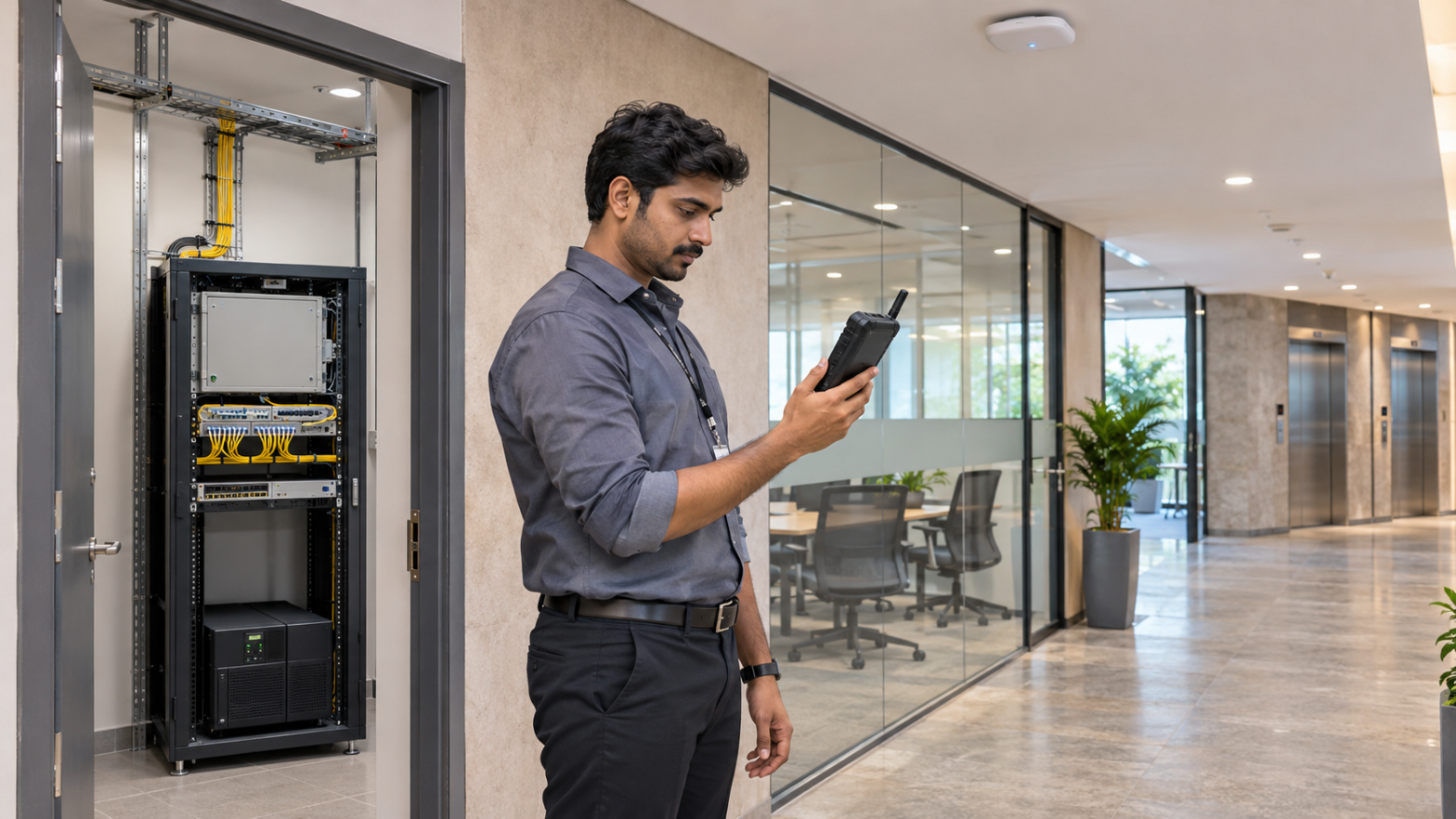
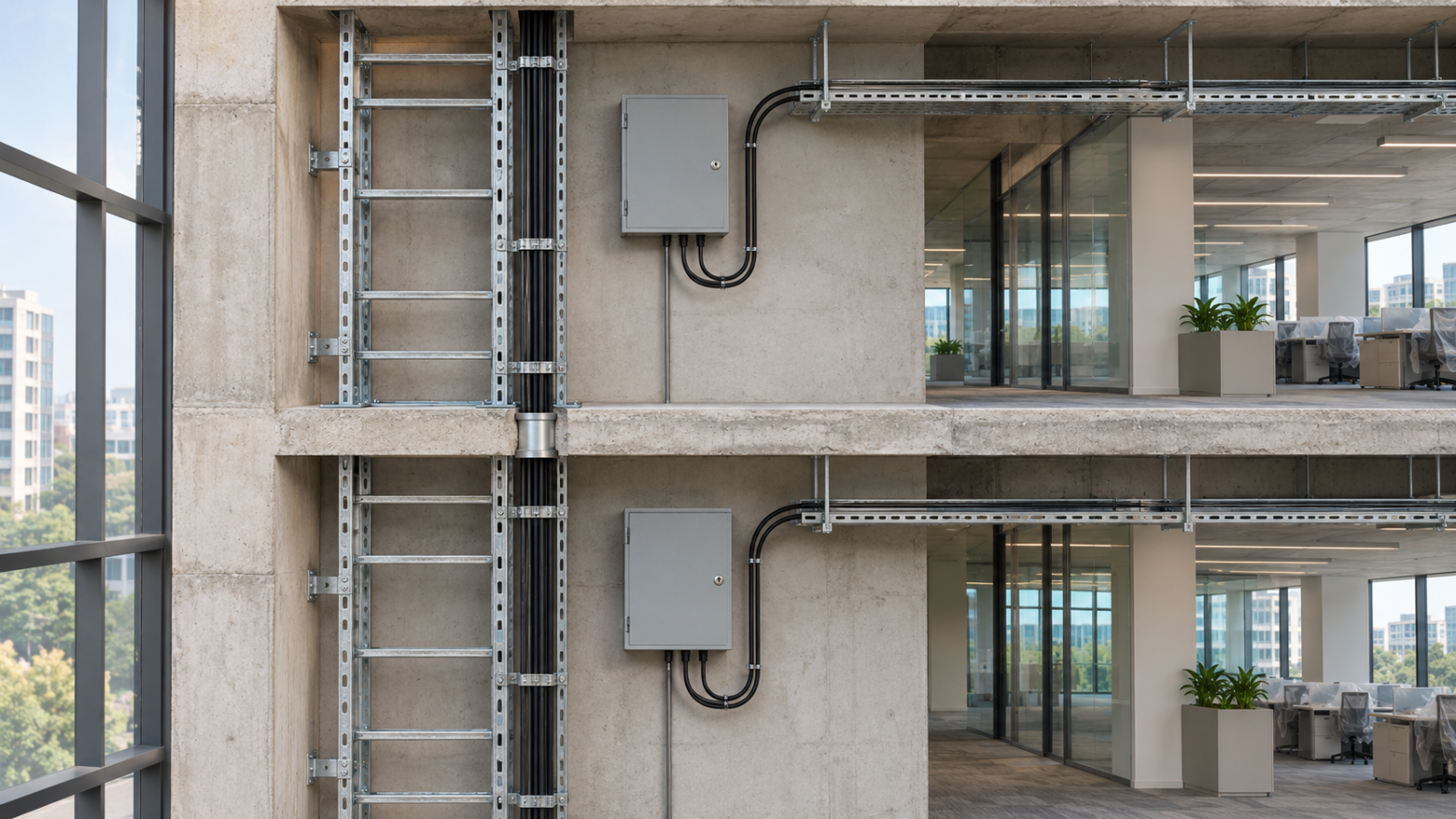
The assessment will consider whether the property has the right telecom spaces, equipment rooms, cable pathways, backbone infrastructure and horizontal cabling. It also looks into whether the digital connectivity infrastructure is in accordance with the applicable building requirements under the Model Building Bye-Laws (MBBL) and National Building Construction Standards (NBCS), 2026.
This is why the planning process is very essential for building owners. Other building services should not be added post-construction but considered along with telecom rooms, equipment locations, fibre pathways and provisions for future expansion.
2. Indoor Mobile and Wi-Fi Coverage
Concrete walls, basements, lifts and building layouts can impact signal reception, meaning strong mobile coverage alone doesn't guarantee a good network inside the building.
This is the reason why TRAI’s assessment includes the performance of mobile networks and Wi-Fi coverage in public and non-public areas. It also tests mobile coverage across different service providers. Solutions such as Distributed Antenna Systems (DAS), In-Building Solutions (IBS) and small cells are therefore relevant wherever indoor coverage needs to be improved.
3. Fibre and Wired Connectivity
The assessment looks at the availability of wired connectivity, including fibre backhaul and fibre connections within user premises, rooms or commercial spaces, as applicable to the property.
Hence, a building should have more than a fibre entry point. Its internal pathways and distribution infrastructure must support connections reaching the spaces that need them. A digital infrastructure company can help assess these requirements and plan the necessary in-building network infrastructure.
4. Power Backup and Network Resilience
Digital infrastructure also needs to remain operational when the primary power supply or a network route is disrupted, because TRAI takes into consideration whether a building has backup power, UPS support and alternate digital connectivity entry paths. These measures become especially important for offices, hospitals and other properties where connectivity interruptions can affect daily operations.
5. Service Performance and User Experience
A good digital infrastructure should also have an equally good ripple effect on everyday requirements. Hence, the assessment also takes into consideration mobile voice and data services, Wi-Fi performance, wired broadband speeds and user feedback.
For example, a building may have Wi-Fi access points across its floors, but users could still experience poor performance in certain areas because of coverage gaps or network capacity limitations. TRAI's manual prescribes a structured testing methodology for assessing service performance, rather than relying only on the infrastructure installed.
How Can Property Managers Prepare for a DCR Assessment?
These are four practical steps a building owner should take into account for assessment preparation:
1. Audit the Existing Infrastructure
Get the existing fibre connections, telecom rooms, equipment, cable pathways, IBS, DAS, Wi-Fi infrastructure and power backup provisions in writing. Also look for the areas where infrastructure is missing, outdated or insufficient.
2. Check Building Plans and Compliance
Verify your approved digital connectivity or ICT infrastructure designs against the applicable MBBL and NBCS requirements. Keep on hand architectural drawings, approved DCI plans and documentation of implementation for verification.
3. Test Digital Connectivity on the Property
Check mobile coverage, Wi-Fi availability and wired broadband performance on different floors and in different spaces. Make sure that basements, lifts, meeting rooms and other less obvious areas are properly wired.
4. Plan Upgrades and Continue Maintaining the Documentation
Overcome the infrastructure gaps, improve coverage where required and ensure that network diagrams, equipment details, testing records and maintenance documents are updated. This makes it easier to demonstrate what has been installed and how it performs.
Building owners can also consider TRAI's Optional Digital Connectivity Audit to identify areas for improvement before applying for a formal rating. This audit is just an internal assessment and does not itself translate into an official rating or certificate.
Conclusion
TRAI Rating turns digital infrastructure into a measurable component of property readiness. Buildings need to look beyond internet availability to understand how their digital systems are performing. They also need to consider fibre pathways, indoor mobile coverage, power resilience and real-world network performance. Preparation for assessment begins with identifying the gaps in infrastructure and systematically closing them. Working with the right digital infrastructure company can help building owners build a reliable, scalable and assessment-ready digital infrastructure.
Speak to iBUS Networks to evaluate and secure your building’s digital infrastructure.
Related Posts
November 27, 2026
FTTX Architecture Choices That Prevent Telecom Shaft Congestion and Costly Rework


July 29, 2026
Smart Buildings Do Not Start with Smart Applications. They Start with the Network.


November 20, 2025
TRAI Calls Out India’s Indoor Connectivity Blind Spot, Here’s How We Are Addressing It.
May 27, 2025
You have planned the classrooms, the courtyards, the curriculum. But what about the bandwidth?